
Blog · Blog
Organic Farming
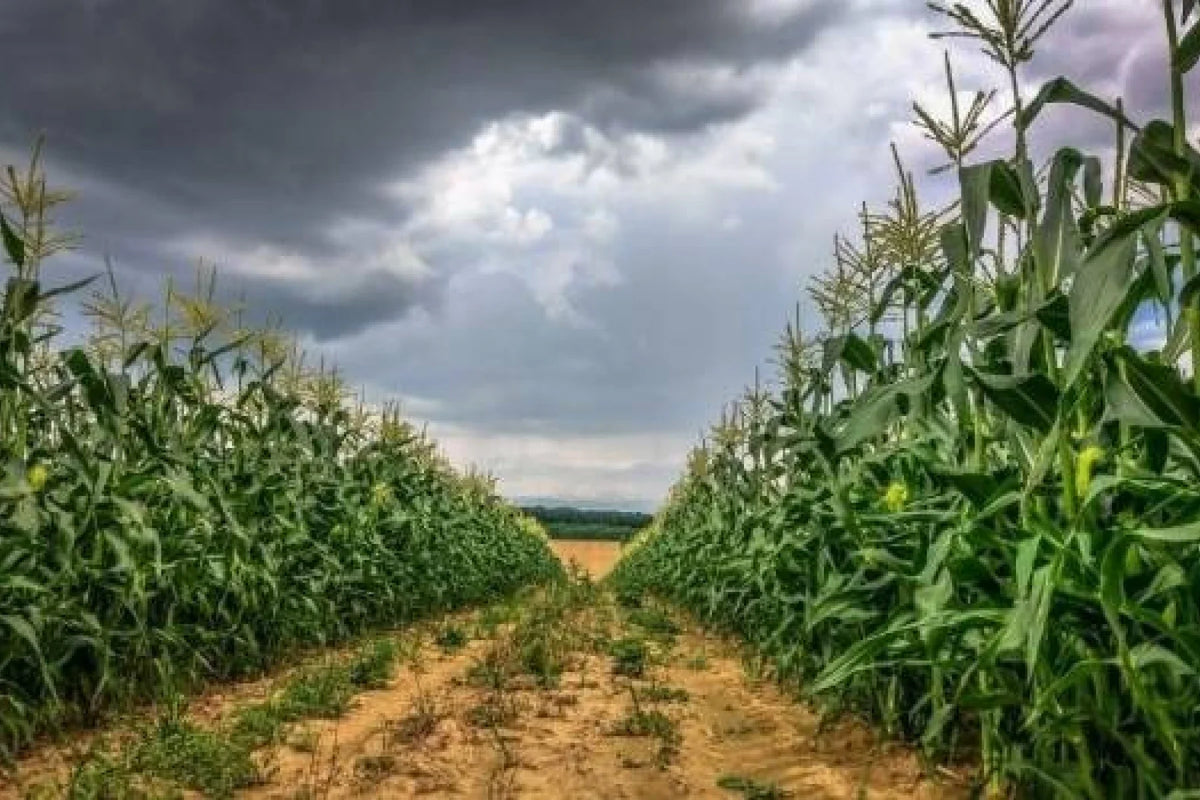
Organic farming: a sustainable practice that respects natural cycles, improves the soil and protects biodiversity, without synthetic chemicals.
Organic farming is a sustainable practice that promotes harmony between people, nature and the environment. It is based on farming techniques that respect natural cycles, improve soil health and protect biodiversity, avoiding the use of synthetic chemicals.
More than a growing method, organic farming is a philosophy that puts the quality and sustainability of food production first, helping to preserve natural resources and human well-being.
How is it done?
Organic farming involves applying specific techniques that safeguard the health of the soil, the crops and the ecosystem. These include:
Crop rotation: Alternating crops from different families helps to maintain soil fertility and crop health. This method benefits the following crop, avoids incompatibilities with the previous one, and uses green manures and legumes to improve soil conditions;
Hedges and field margins: Planting hedges protects crops from bad weather, reduces the impact of wind and prevents the soil from drying out quickly. These areas also attract and shelter beneficial insects, such as pollinators and natural predators;
Companion planting: Combining different crops that benefit each other helps with pest control, attracts beneficial insects, makes better use of nutrients and provides mutual support;
Integrating livestock and crops: Animals play a crucial role in organic farming by closing nutrient cycles. They produce organic manure, make use of crop by-products and graze less productive land, increasing soil fertility;
Ground cover: Soils should always be protected by natural or sown ground cover, such as green manures. This technique reduces erosion and increases humus and biological activity, especially under woody crops;
Fertilisation: The soil's natural fertility is maintained by using deep-rooted plants, legumes and organic fertilisers, resulting in soil rich in nutrients and biodiversity.
What makes organic farming different?
Organic farming has unique features that set it apart from other ways of growing:
It focuses on improving the production process rather than just the end product;
It can involve higher costs because of the rigour and techniques involved;
It makes the most of local renewable resources, reducing dependence on
At Sementes Vivas we have a wide range of products.